
What International Tour Operators and Wholesalers Should Look for in a Colombia Birding Partner
The wrong partner doesn't just fail a trip — it fails your reputation
When an international operator or wholesaler adds Colombia to their catalog, the ground partner they choose becomes an extension of their own brand. If that partner underdelivers, the traveler doesn't blame Colombia — they blame the company that sold them the trip.
Colombia's birding potential is not in question. With over 1,900 recorded species and unmatched habitat diversity, the demand is real and growing. The question that matters is operational: which ground partner can actually deliver on that potential, consistently, without exposing your business to risk?
Finding the right Colombia birding tour operator partner is not a matter of convenience — it's a matter of risk management.
This is what we look at when we evaluate our own standards — and what any operator should verify before signing an agreement.
Real field expertise, not just logistics
Many operators in Colombia's nature tourism space handle transportation, permits, and accommodation competently. Far fewer can back that logistics with verifiable biological expertise.
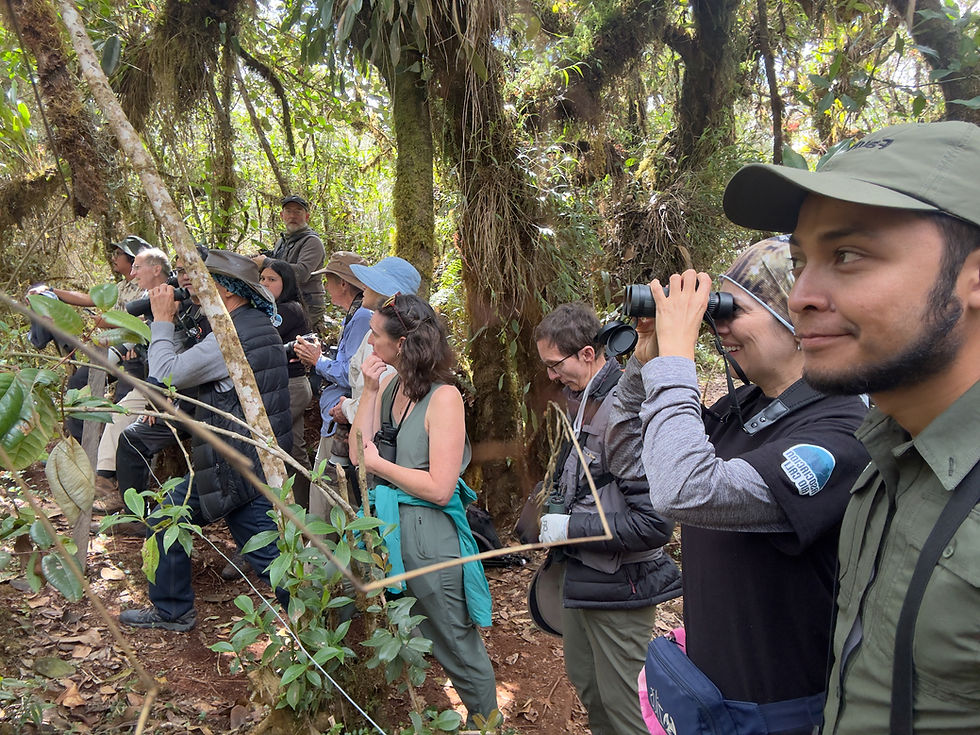
There is a meaningful difference between a company that books a birding tour and one that designs an itinerary around breeding cycles, migration timing, and species behavior. That difference determines whether a group sees the species on their target list or spends a week in the field with a driver who can identify a toucan and little else.
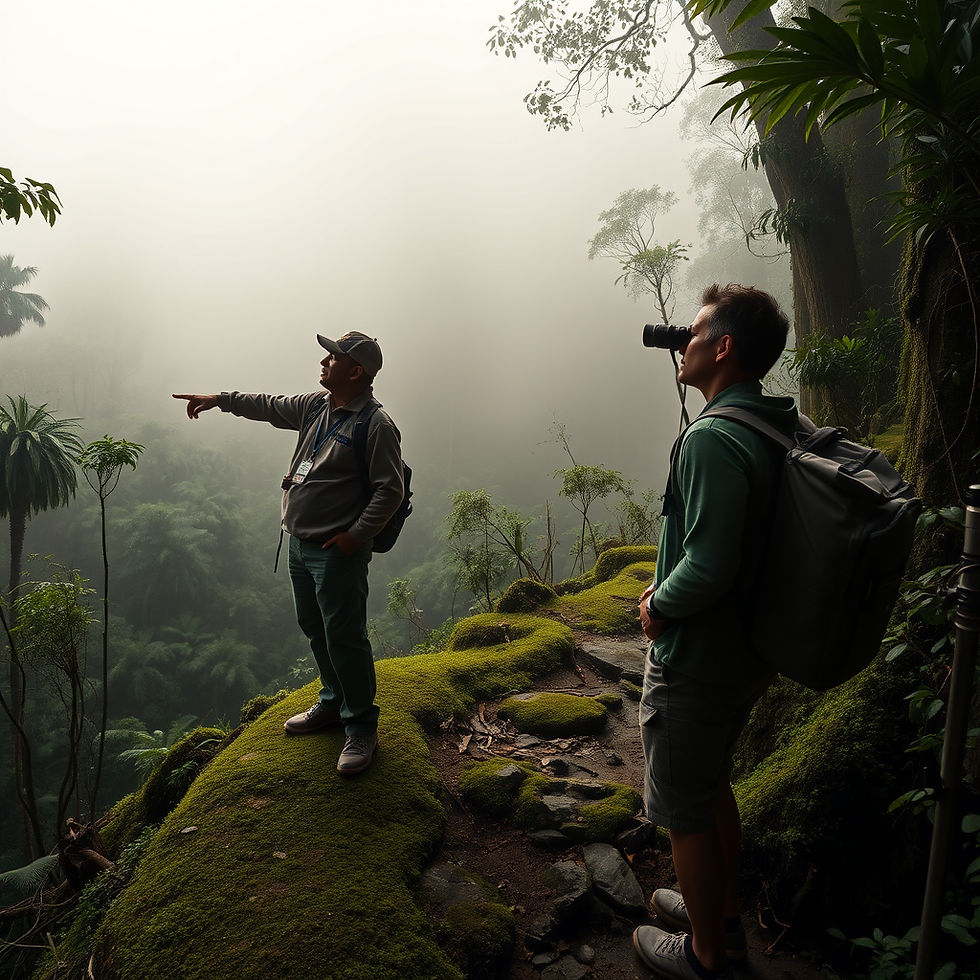
As we've said before: no responsible operator can guarantee sightings — wildlife doesn't work on a schedule. What we can guarantee is preparation, territorial knowledge, and the ability to read ecological signals in real time. That distinction should be non-negotiable for any wholesaler evaluating a partner.
Professional guides, not informality dressed as experience
Guide quality is one of the most inconsistent variables in Colombia's tourism sector — and one of the highest-risk ones for an international operator reselling the experience.
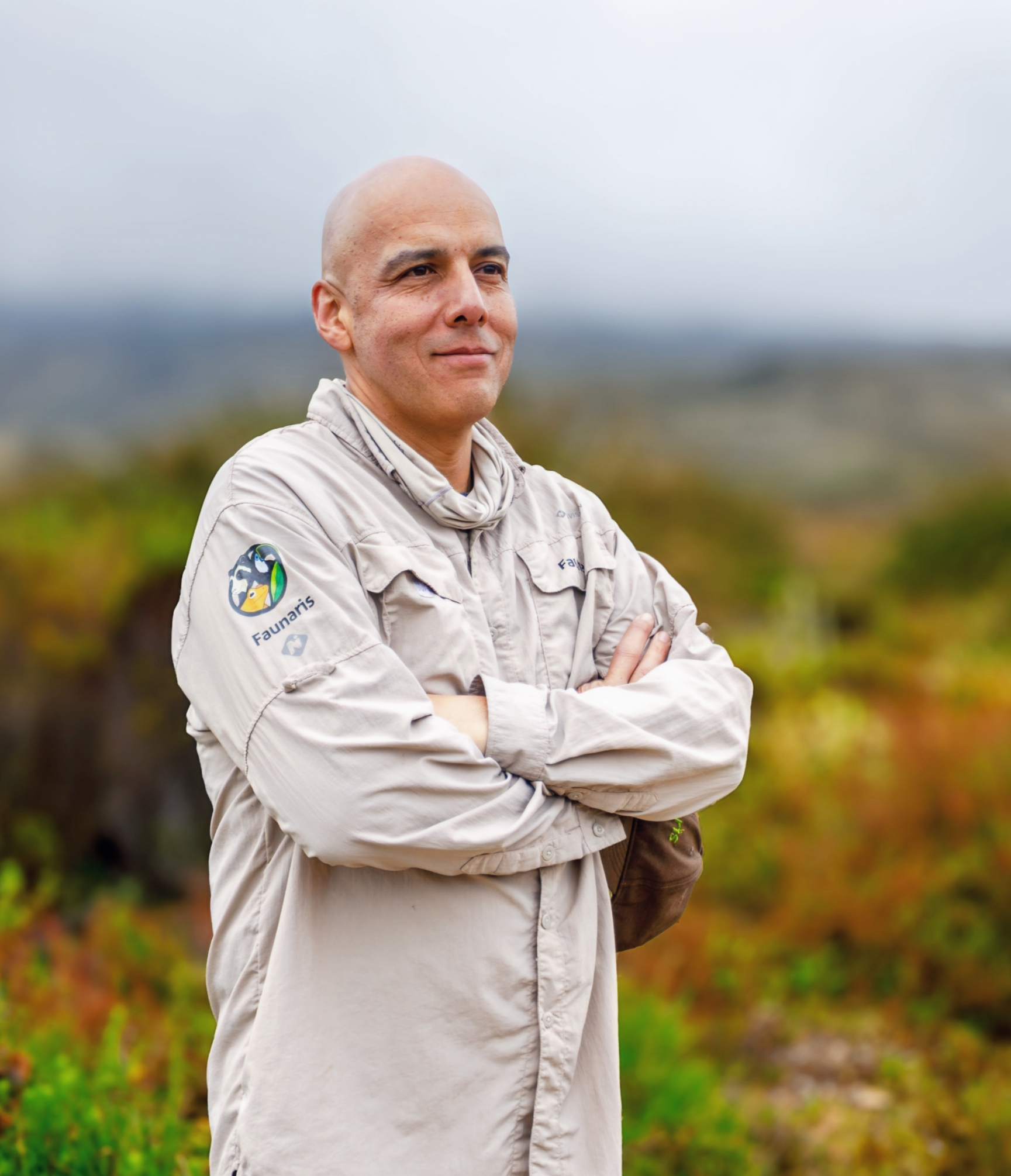
At Faunaris, our field expeditions are led by Nicolás Rozo, a certified professional tourism guide and biologist. When we do need to subcontract additional guides for larger groups or specific regions, we apply the same standard: certified, professional guides only. Not enthusiasts with a pair of binoculars and local knowledge alone — credentialed professionals who meet the same standard we hold ourselves to.
This matters because guide informality is one of the most common ways a birding trip goes wrong: missed permits, unsafe field practices, inconsistent species information, or simply a guide who cannot manage group logistics under pressure. An operator inheriting that risk through a ground partner is inheriting a liability they didn't sign up for.

Legal compliance as a supplier filter, not an administrative detail
Informality is a structural challenge in parts of Colombia's tourism industry — not unique to birding, but present in it. Unregistered accommodations, unlicensed transportation, informal food service providers, and unregulated access to observation sites are common enough that international operators should ask about them directly, not assume they've been handled.
At Faunaris, supplier vetting is not an afterthought. We verify that the hotels, birding sites, guides, and food service providers we work with meet the legal requirements set by Colombian tourism regulation — registration, licensing, and applicable operating standards. This isn't a marketing claim; it's a filter we apply before any supplier enters our network.
For a wholesaler, this matters beyond ethics. Working with informal suppliers creates exposure — liability, inconsistent service quality, and reputational risk that lands on the operator's brand, not just the ground partner's.
Operational consistency at scale
Wholesalers and international operators don't need adventure from a ground partner — they need predictability. Group sizes that stay within the range promised, seasonal availability that matches what was sold months in advance, and consistent quality whether the group is four travelers or fourteen.
This requires operational infrastructure that many small nature tourism providers in Colombia simply don't have: standardized itineraries, backup planning for weather and access disruptions, and clear communication protocols that don't depend on one person's availability.
Ethics and conservation as a brand safeguard, not an add-on
Increasingly, international travelers — and the operators who serve them — are scrutinized on sustainability claims. A ground partner without a credible conservation and ethics framework becomes a liability the moment a client asks hard questions.
At Faunaris, responsible practice isn't a marketing layer added after the fact. It's built into how we select sites, structure group sizes, and engage with local communities — the same principles we've written about in detail elsewhere. Partnering with an operator who has already done this work reduces the reputational exposure a wholesaler would otherwise carry alone.
Questions worth asking before signing an agreement
Any operator evaluating a Colombia ground partner should be able to get clear, specific answers to:
Who leads your expeditions, and what are their professional credentials?
When you subcontract guides, what standard do they have to meet?
How do you verify that hotels, transportation, and food service providers meet Colombian legal and licensing requirements?
What happens operationally when weather or access conditions change mid-trip?
What conservation and community engagement standards apply to the sites you use?
Can you provide consistent quality across group sizes and seasons?
If a ground partner cannot answer these directly and specifically, that is information in itself.
How we work with partners at Faunaris
We are not the largest operator in Colombia, and we don't try to be. What we offer is a smaller set of guarantees, held consistently: certified professional guides, verified legal compliance across our supplier network, conservation-minded site selection, and operational reliability that doesn't depend on improvisation.
We work with wholesalers, international tour operators, and hotels who want a Colombia partner they don't have to double-check. If your business is evaluating suppliers for Colombia birding programs, we'd welcome a direct conversation about how we operate — credentials, standards, and all.

Comments