
Birdwatching Ethics: Why we don’t guarantee sightings (and why it matters)
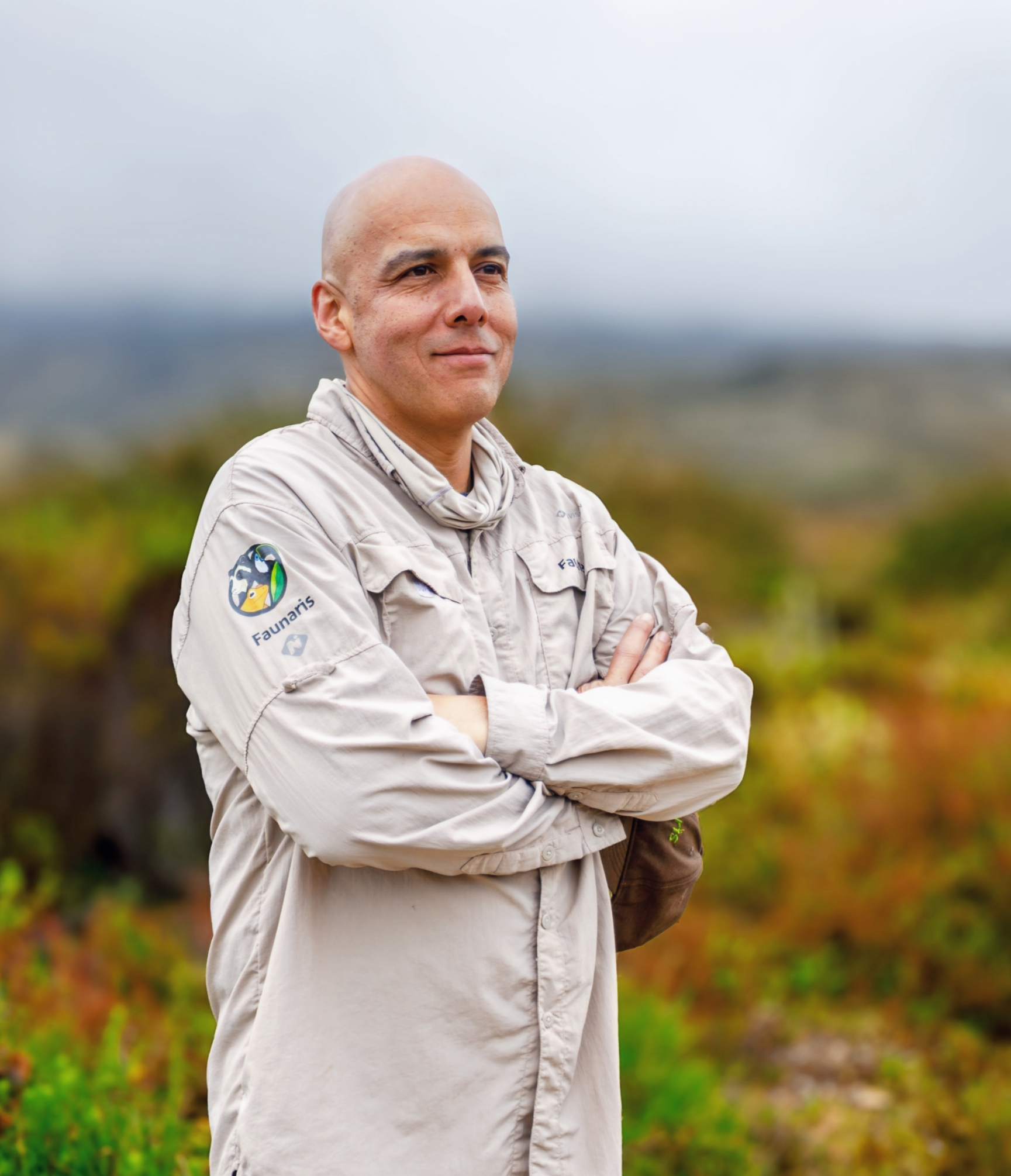
Nature does not follow schedules—and that is precisely the point.
Birdwatching ethics is the pillar that separates a commercial tour from a true scientific expedition. In wildlife tourism, guarantees are easy to sell. Promising sightings, lists, or “must-see” species creates a sense of certainty that many travelers find reassuring. At Faunaris, we deliberately choose a different path. We do not guarantee bird sightings—and this decision is neither accidental nor commercial. It is ethical, scientific, and foundational to how we understand nature.
The difference between observation and performance
Birdwatching exists on a spectrum. On one end, wildlife becomes a performance: animals are expected to appear on cue and fulfill expectations. On the other end—where Faunaris operates—is true observation. We treat nature as a dynamic, autonomous system. To guarantee a sighting is to imply that we have control over the wild, which contradicts the very essence of exploration.
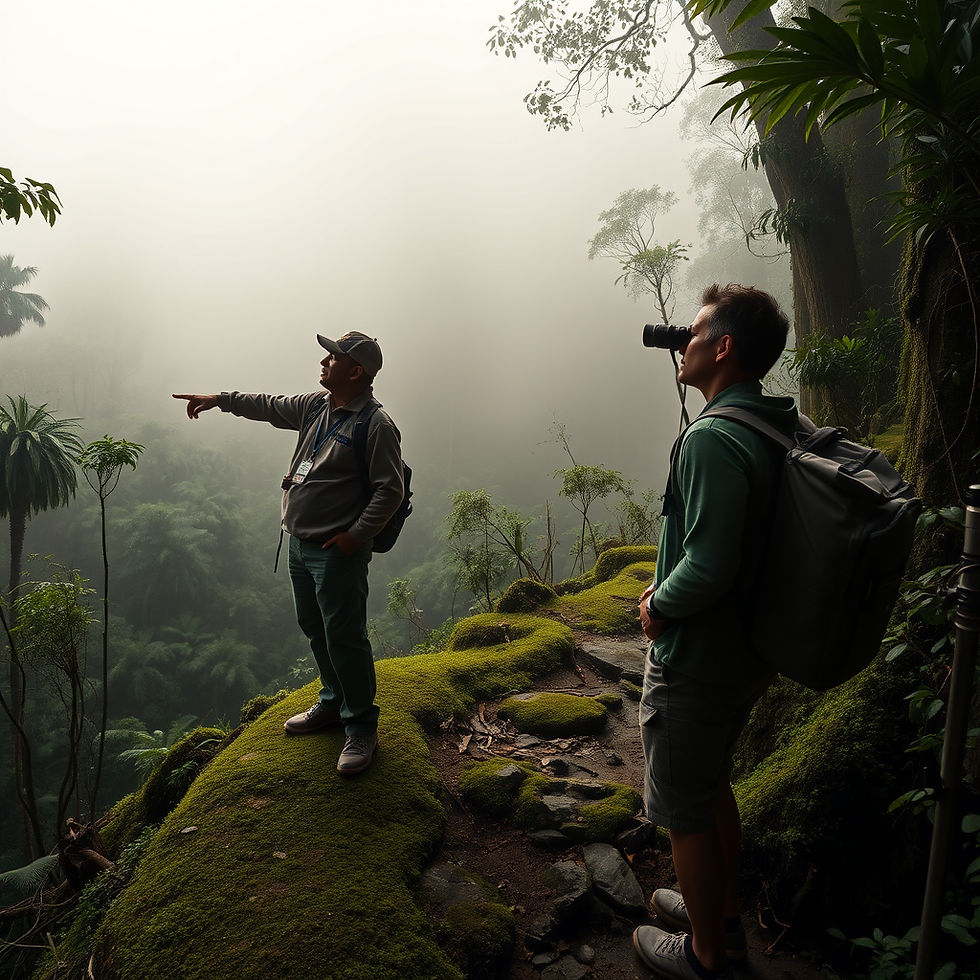
Why guarantees are problematic
When a guide or operator guarantees a sighting, the pressure to deliver often leads to practices that compromise both science and ethics:
Pressure on species: Constant pursuit can disrupt nesting, feeding, and resting patterns.
Unethical tactics: The over-reliance on playbacks (recorded calls) or baiting can alter natural behaviors and even endanger the birds' survival.
Unrealistic expectations: It reduces a complex biological encounter to a simple transaction, stripping the experience of its mystery and depth.
What we do guarantee
While we don’t promise a specific bird on a branch, we do guarantee the conditions that make a meaningful encounter possible:
Technical Preparation: Hours of scouting and habitat analysis.
Territory Knowledge: Understanding the specific ecological niches where species are likely to be found.
Reading Natural Signs: The ability to interpret calls, alarm sounds, and environmental cues through a biologist’s lens.
The traveler who chooses depth over certainty
Our approach is designed for a specific type of explorer. It is for those who are interested in behavior and ecology; photographers who value ethics over proximity; and people willing to trade a "checklist" for a real, honest connection with the landscape. Filtering is not exclusion; it is alignment.
Choosing authenticity
Not guaranteeing sightings is a conscious choice. It reflects our respect for wildlife, our trust in scientific understanding, and our confidence in the value of the journey itself. For those who seek certainty, there are many alternatives. For those who seek understanding and authenticity, there is Faunaris.
Are you seeking a true observation expedition, guided by science and ethics? Let's discuss your next specialized project. 👉 [Book a personalized consultation with our experts]


Comments